Role of SEO in the Success of a Digital Marketing Agency

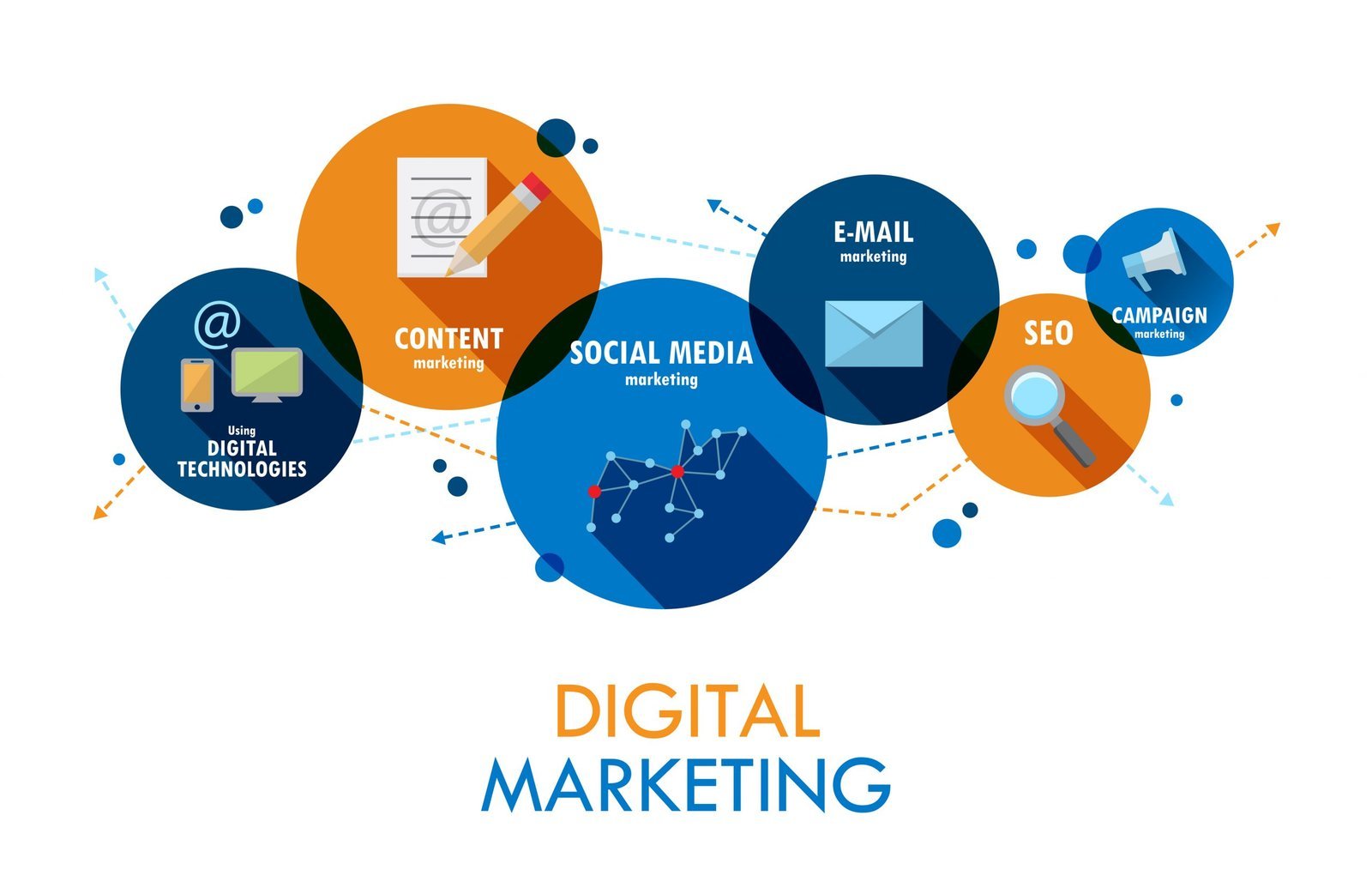
Digital marketing” gets used as a catch-all term, which is part of why so many businesses end up confused about what they’re actually paying for. SEO, PPC, social media, content, email, web design – these aren’t interchangeable, and the right mix for your business depends entirely on your goals, budget, and how your customers actually search and buy.

This guide breaks down each core digital marketing service, what it’s actually good for, how it connects to the others, and how to tell if an agency’s approach to it is substance or just a sales pitch.

The Core Services, and What Each One Actually Does

Search Engine Optimization (SEO)

SEO is the practice of improving your website so it ranks higher in organic (unpaid) search results. It’s the foundation most other digital channels build on, because organic search traffic tends to be high-intent – people are actively looking for what you offer, not just scrolling past an ad.

What it includes: technical SEO (site speed, crawlability, mobile usability), on-page SEO (keyword targeting, content structure), off-page SEO (backlinks, brand mentions), and increasingly, structured data and content formatted for AI-generated search answers.

Best for: businesses that want compounding, long-term traffic rather than traffic that disappears the moment a budget runs out.

Pay-Per-Click Advertising (PPC)

PPC puts your business at the top of search results or across other platforms immediately, in exchange for paying per click or impression. Google Ads and Bing Ads are the most common search-based options; Meta and LinkedIn ads extend this to social platforms.

What it includes: keyword bidding, ad copywriting, landing page optimization, audience targeting, and ongoing bid/budget management.

Best for: businesses that need fast visibility, are launching something time-sensitive, or want to test which keywords actually convert before investing heavily in SEO around them.

Social Media Marketing (SMM)

Social media marketing covers both organic content (posts, stories, community management) and paid social advertising. It’s less about direct search intent and more about staying visible, building brand affinity, and driving engagement that eventually converts.

What it includes: content calendars, platform-specific strategy (what works on Instagram doesn’t work the same way on LinkedIn), community management, influencer partnerships, and paid social campaigns.

Best for: brand awareness, community building, and reaching audiences before they’re actively searching – particularly strong for consumer brands and B2C businesses.

Content Marketing

Content marketing is the practice of creating valuable material – blog posts, guides, videos, infographics – that attracts and retains an audience, rather than directly pitching a product. It’s also the engine that makes SEO work, since search engines need content to rank.

What it includes: blog content, downloadable guides, video scripts, case studies, and increasingly, content structured specifically to be cited by AI search tools.

Best for: building authority in your industry and supporting every other channel – content feeds SEO, gives social media something to share, and gives PPC landing pages substance.

Pay-Per-Click vs. SEO: How They Work Together

A common mistake is treating SEO and PPC as competing options rather than complementary ones. PPC can validate which keywords actually convert before you invest months in ranking for them organically. Strong organic content, in turn, improves your Quality Score on Google Ads, which can lower your cost-per-click. Businesses that run both in tandem typically get more out of each than running either alone.

Email Marketing

Despite being one of the oldest digital channels, email marketing remains one of the highest-ROI options available, largely because you’re reaching people who’ve already opted in.

What it includes: newsletter campaigns, automated drip sequences, segmentation, and re-engagement campaigns for inactive subscribers.

Best for: nurturing leads who aren’t ready to buy yet, and retaining existing customers at a much lower cost than acquiring new ones.

Website Design & Development

Every other channel sends traffic somewhere – and if that destination is slow, confusing, or not mobile-friendly, the rest of your marketing spend underperforms. Website design and development covers both the visual/UX side and the technical backend.

What it includes: responsive design, page speed optimization, conversion-focused layout, and technical foundations that also support SEO (clean code, proper site structure, schema markup).

Best for: every business – this is the one channel that affects the performance of all the others.

Video Marketing

Video has become central to both social media and search, with platforms increasingly prioritizing video content in feeds and even in search results.

What it includes: short-form social video, explainer videos, testimonials/case studies, and increasingly, video content optimized to appear in search results alongside written content.

Best for: businesses with a visual or demonstrable product/service, and any brand trying to build trust quickly through a more personal format than text.

How to Decide Which Services You Actually Need

Most businesses don’t need all of these at once. A practical way to prioritize:

  • If you have no online visibility at all: start with foundational SEO and a functional, fast website – nothing else performs well without this base.
  • If you need leads or sales fast: PPC, since it doesn’t require waiting months for organic results.
  • If you’re building a brand from scratch: social media and content marketing, to create awareness before people are actively searching.
  • If you already have traffic but poor conversion: website UX and conversion optimization, before spending more on driving additional traffic to a leaky funnel.
  • If you have customers but weak retention: email marketing, which is typically the most under-invested channel relative to its ROI.

What “Good” Looks Like in 2026

Across every channel above, a few things now separate effective digital marketing from outdated execution:

  • AI-search readiness. Google’s AI Overviews and tools like ChatGPT and Gemini now answer a large share of queries directly. Content and SEO strategy need to account for this – clear, direct answers and structured data (schema markup) matter more than keyword density.
  • E-E-A-T (Experience, Expertise, Authoritativeness, Trust). Generic, unattributed content increasingly underperforms. Real case studies, named authors, and transparent business information carry more weight than they used to.
  • Cross-channel integration. Treating SEO, PPC, social, and content as separate workstreams instead of a connected system leaves performance on the table. The strongest results come from channels reinforcing each other.
  • Measurable outcomes, not vanity metrics. Rankings and impressions matter less than leads, signups, and revenue. Any agency or in-house team should be able to tie activity back to business outcomes.

How to Evaluate a Digital Marketing Partner

Before committing budget to any agency or freelancer, ask:

  • Which specific services do you recommend for my business, and why those over the others?
  • Can you show case studies with real numbers, not just rankings or follower counts?
  • How do you measure success, and how often will I see reporting?
  • How do you handle channels working together, rather than as separate line items?
  • What’s your approach to AI search and structured data, given how search is evolving?

If you’re looking for a partner that treats these services as a connected system rather than separate add-ons, Honeycomb works across SEO, PPC, social media, content, video, and web design & development, with reporting tied to leads and revenue rather than just visibility metrics – get in touch to talk through what your business actually needs.

Frequently Asked Questions

Do I need SEO and PPC, or just one of them? 

They serve different purposes and work best together. PPC delivers immediate visibility and helps validate which keywords convert; SEO builds compounding, long-term traffic. Many businesses start with PPC for quick wins while SEO builds momentum in the background.

How much should a small business budget for digital marketing? 

This varies widely by industry and goals, but a common approach is to start with one or two channels that match your most urgent need (visibility, leads, or retention) rather than spreading a small budget thin across everything at once.

Which digital marketing channel has the best ROI?

Email marketing is often cited as having the highest ROI because you’re reaching an already-opted-in audience at low ongoing cost. That said, “best ROI” depends on your starting point – a business with no website traffic won’t benefit from email marketing investment yet.

Is social media marketing necessary if my business is B2B? 

It’s typically lower-priority than SEO, content, or PPC for B2B lead generation, but platforms like LinkedIn can still be valuable for brand visibility, thought leadership, and reaching decision-makers directly.

How do AI Overviews affect digital marketing strategy?

AI Overviews and AI search tools now answer many queries directly, which can reduce clicks for simple informational searches. The response isn’t to abandon SEO and content, but to structure it for clarity and direct answers, since well-structured content has a better chance of being cited inside AI-generated results.

What to Expect from A Digital Marketing Agency?

In today’s competitive business landscape, the right hiring of a digital marketing agency can be the difference between making and breaking your brand’s online presence. It may be from a small business that wants to establish its name or to a huge enterprise in a bid to maintain dominance but using digital strategies can make all the difference. Therefore, if you want to partner with a Digital Marketing Agency in Bangalore, then you must know which factors should be given the greatest importance. In this guide, everything will be broken down for you so that you will be fully aware in hiring the appropriate digital marketing agency to help you in making the best choice for your business goals.

1. Understanding Your Needs and Goals


Before you even start seeking out the right agencies, it’s worth your while to clearly articulate your needs and goals. Do you need better SEO rankings? Are you trying for a social media campaign that engages users? Or perhaps you’re looking for a complete digital rebuild, from A-Z, including all the works from content creation to paid advertising? Only by knowing what you want will you find an agency whose strengths coincide with your business objectives.


For instance, if you want to primarily focus on local SEO, you will want to work with a Digital Marketing Agency in Bangalore who have experience in the implementation of search engine optimization and local targeting. If it’s to organize complex paid media campaigns, ensure that they can handle high-conversion ad campaigns on either Google or Meta platforms.

2. Look into their Expertise and Services

No two digital marketing agencies are the same. Some agencies specialize in heavy social media marketing, while others are known for their prowess in search engine optimization or pay-per-click advertising. You need to ensure that the agency offers the specific services you’re after.


In case you are working out of Bangalore, do consider engaging with a local Digital Marketing Agency in Bangalore for that added layer of local market understanding. Any agency familiar with local market dynamics will be better placed to understand the many campaigns that work and will help make your business stand out there in the region.

Ask them about their specialties and what toolset they have. Do they use advanced SEO software like SEMrush or Ahrefs? Are they working knowledge in Google Analytics, Facebook Ads Manager, or any other tool that fits your needs?

3. Review their Portfolio/Case Studies

A good Digital Marketing Agency in Bangalore must be able to demonstrate its previous work in the portfolio or case studies. Besides how creative skill would be illustrated, it would show proof of capability to solve business problems much like yours.


Seek Evidence of the following:

  • Improved ranking in search

  • Increase in web traffic

  • Growth in social media followers or engagement

  • Lead generation or conversion rate increase

If they have specific experience doing business development work with businesses within your industry, that is a good sign. Ask to see some case studies that are concrete examples of results: greater brand visibility or increased ROI on digital ad spends.

4. Ask Them About Their Industry Knowledge and Trends Awareness

The digital marketing world is always changing. Trends that work today are likely to be old tomorrow. The best agencies are those who stay on pace with industry developments, algorithm changes, and new technologies. Always get a Digital Marketing Agency in Bangalore with knowledge of the latest trends like video content, AI-based marketing automation, and data-driven strategies.


They should not wait for these trends to create opportunities for leverage on your behalf. Instead, they must be able to articulate how they will allow you to be one step ahead of the game through new, forward-thinking thinking.

5. Seek Transparency and Communication

Transparency and open communication are the sine qua non for any successful business partnership. When you’re outsourcing something as critical as digital marketing, you want an agency that’s upfront about its process, pricing, and expectations.


Ensure that the
Digital Marketing Agency in Bangalore you hire updates and informs you on the progress of your campaigns. Those should be very easy to understand to give you measurable metrics like ROI, conversion rates, or levels of engagement. 

Regular communication means that they are responsive to changes and are actively working to optimize your campaigns.


Also, ask them how often they will meet with you, what kind of reporting you’ll be receiving, and how flexible they are with changes in the strategy.

6. Budget/ Pricing Structure

The cost of hiring a digital marketing agency is always an important consideration. Each digital marketing agency has different pricing models; some charge according to the services they are offering, while others charge based on retainer models. Make sure you know exactly how they charge and whether or not it falls within your budget.


Do not opt for the cheapest. Values for money are given important wings, but there’s a good deal more to service quality than cost. The difference between a budget and a highly experienced agency with a slightly higher price may be that the former is likely to deliver better results and, therefore, yield more effective ROI than the latter, which may never fully understand your business needs.

7. Strong Cultural Fit

It’s a long-term partnership; you’ll be working very closely with the agency over time, so ensure that there is a good cultural fit. Evaluate their company values and work culture. 


Are their communication style and approach appropriate for your business culture?

A good Digital Marketing Agency in Bangalore should genuinely care about the growth of your business and not just be doing the work for the sake of it. Once you have a shared vision and mutual respect, all the differences will fall into place to make your partnership successful.


For your business, the right digital marketing agency could be a game-changer. Focus on goals, evaluate the expertise of the agency, review their portfolio, and ensure good communication and transparency to find the perfect Digital Marketing Agency in Bangalore.

Want to take your business to the next level? You can by partnering with Honeycomb, one of Bangalore’s leading digital marketing agencies. Let’s create strategies that will help you dominate the digital sphere. Get in touch with us today to get started!

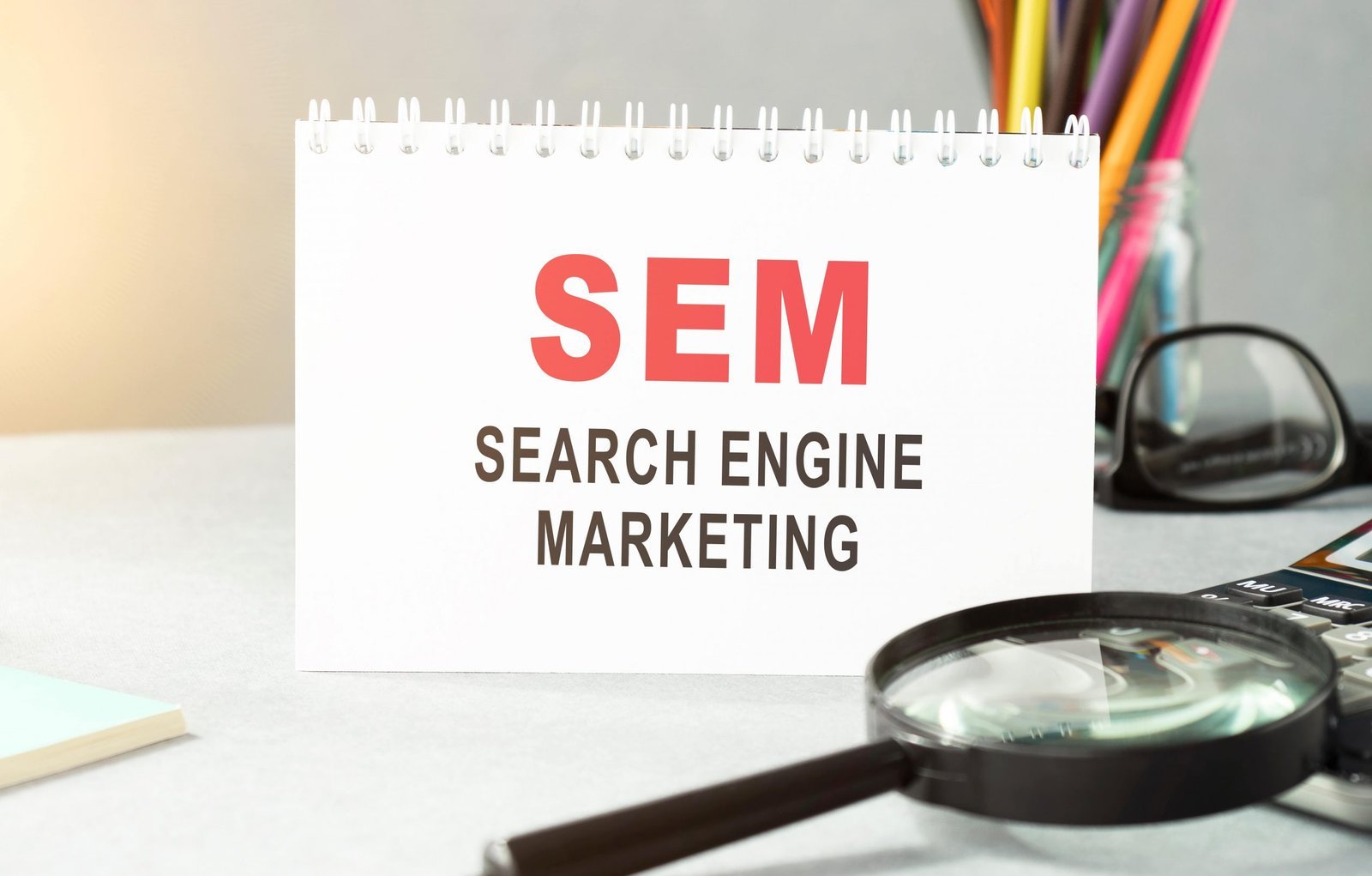
SEO vs. SEM: What’s the Difference and Which Do You Need?

Ever wondered why some websites always appear first when you search for something online? It’s not magic; it’s all about strategies like SEO and SEM. But what exactly are these, and why should you care? 

Think of SEO as setting up a nice display in your shop, so people naturally stop by. On the other hand, SEM is like putting up a big billboard to grab attention quickly. Both can help your business grow but in different ways.

So, which one do you need? It depends on your goals. If you want to see fast results, SEM might be your answer. But if you’re thinking long-term, SEO could be the way to go. Keep reading to find out more and discover how an SEM company in Bangalore can make a difference for you.

SEO: Building Organic Traffic

SEO, or Search Engine Optimisation, helps your website show up naturally in search results. It’s like growing a plant; you need to care for it, and over time, it will flourish. SEO involves using the right keywords, creating good content, and making sure your website is easy to use.

The best part about SEO? It builds trust. When people see your website at the top of search results, they’re more likely to believe you’re an expert in your field. But remember, SEO takes time. It’s not something that happens overnight. You need to be patient and keep working on it.

However, if you want quick results, you might want to think about working with an SEM company in Bangalore. They can help you achieve faster outcomes, but SEO will always be a valuable tool for building a strong online presence.

SEM: Instant Visibility

SEM, or Search Engine Marketing, is all about getting your website noticed quickly. With SEM, your ads show up at the top of search results. It’s like putting your ad on a busy street where everyone can see it. You don’t have to wait; the results are almost instant.

One big advantage of SEM is that it’s very targeted. You can decide who sees your ads based on where they live, their age, and what they’re interested in. This means you’re showing your ads to the right people at the right time. But, SEM does come with a cost. You pay each time someone clicks on your ad, so it’s important to keep an eye on your spending.

SEO vs. SEM: Key Differences

Now, let’s take a closer look at the differences between SEO and SEM. Here’s a simple comparison to help you see how they compare.

Feature

SEO

SEM

Cost

Free (but needs time)

Paid (per click)

Time to Results

Slow, steady growth

Quick results

Sustainability

Good for long-term

Best for short-term

Trust Factor

High (people trust organic results)

Lower (ads are marked as ads)

Control

Less control over where you appear

Full control over who sees you

Click-Through Rate

Usually higher for organic links

Can be lower due to ad fatigue

As you can see, SEO is like running a marathon, while SEM is more like a sprint. Depending on what you need, one might be better than the other. However, many businesses find it useful to use both strategies together.

When to Use SEO vs. SEM

Choosing between SEO and SEM depends on what you want to achieve. If you’re starting fresh and want to build a strong foundation, SEO is a good choice. It takes time, but it helps build trust and doesn’t cost for each click. But if you need quick results, like when launching a new product, SEM is the way to go. It’s great for getting attention fast and driving immediate traffic to your website.

Some businesses use both strategies together. For example, you might run an SEM campaign to get quick results while working on SEO for long-term benefits. This way, you can enjoy the advantages of both.

If you’re unsure which to choose, consider reaching out to an SEM company in Bangalore. They can help you find the right balance between SEO and SEM to meet your needs.

Final Thoughts 

SEO and SEM are both important for growing your business online. SEO is like a long-term investment that builds trust and brings steady growth. SEM, on the other hand, gives you quick visibility and control. Depending on your needs, you might choose one over the other, or even use both.

No matter which path you choose, working with an SEM company in Bangalore can help you achieve your goals more effectively. Ready to take your business to the next level? Contact Honeycomb today and let us help you make the right move!

Find Your Growth Partner: The Ultimate Guide to Bangalore’s Digital Marketing Agencies

In the bustling tech hub of Bangalore, finding the right digital marketing agency can be daunting. With a myriad of options, each boasting unique capabilities, how do you identify the perfect partner to fuel your business growth? This guide will walk you through what to look for in a digital marketing agency in Bangalore and introduce you to Honeycomb, your potential marketing ally.

Why Do You Need a Digital Marketing Agency in Bangalore 

Bangalore, often referred to as the Silicon Valley of India, is a city buzzing with innovation. Its dynamic business environment calls for cutting-edge digital marketing strategies to stay ahead. Whether you’re a startup aiming to make a mark, a small business looking to grow, or an established enterprise craving innovation, the right digital marketing agency can be your growth catalyst.

Key Benefits of Partnering with a Digital Marketing Agency

Expertise and Specialization

Digital marketing agencies bring specialized knowledge and skills that may not be available in-house. From SEO and content marketing to social media management and PPC campaigns, they have experts in every domain, ensuring your marketing efforts are top-notch.

Cost-Effective

Hiring an in-house marketing team can be expensive, especially for small and medium-sized businesses. Digital marketing agencies offer a more cost-effective solution, providing access to a full suite of services without the overhead costs of a full-time staff.

Access to Advanced Tools

Digital marketing agencies use state-of-the-art tools and technologies to analyze, optimize, and track campaigns. These tools can be costly and require specialized knowledge to operate effectively.

Focus on Core Business

By outsourcing your digital marketing efforts, you can focus on what you do best – running your business. The agency takes care of your marketing strategy, execution, and monitoring, freeing up your time and resources.

Introducing Honeycomb Your Extended Marketing Department

When it comes to choosing a digital marketing agency in Bangalore, Honeycomb stands out as a trusted partner. But what makes Honeycomb the ideal choice for your business?

Comprehensive Digital Marketing Services

At Honeycomb, we offer a wide array of digital marketing services tailored to meet your unique business needs. Our services include:

  • SEO: Enhance your website’s visibility and attract organic traffic with our expert SEO strategies.


  • Content Marketing: Engage your audience with compelling content that drives conversions and builds brand loyalty.


  • Social Media Management: Boost your social presence with targeted campaigns across various social media platforms.


  • PPC Campaigns: Maximize your ROI with data-driven pay-per-click advertising strategies.


  • Email Marketing: Foster relationships and drive sales with personalized email campaigns.


  • Web Development: Create user-friendly, SEO-optimized websites that reflect your brand’s identity.

Customized Solutions

We understand that every business is unique. That’s why we don’t believe in one-size-fits-all solutions. Our team works closely with you to understand your goals, challenges, and target audience, crafting customized strategies that align with your vision.

Proven Track Record

Honeycomb has a proven track record of delivering exceptional results for clients across various industries. Our case studies and client testimonials speak volumes about our expertise and commitment to excellence.

Transparent Communication

Transparency is key to a successful partnership. At Honeycomb, we maintain open lines of communication, providing regular updates and detailed reports on campaign performance. You’re always in the loop, with complete visibility into our efforts and outcomes.

A Sense of Community

Beyond our services, we foster a sense of community among our clients. We believe in building long-term relationships based on trust, collaboration, and mutual growth. When you partner with Honeycomb, you become part of a supportive network of like-minded businesses.

How to Get Started with Honeycomb

Ready to take your digital marketing to the next level? Getting started with Honeycomb is easy. Visit our website at localhost/honeycomb/ to learn more about our services and schedule a consultation. Let’s discuss how we can work together to achieve your business goals.

To conclude…

Finding the right digital marketing agency in Bangalore is crucial for your business’s success. With Honeycomb, you gain more than just a service provider – you gain a dedicated partner committed to your growth. Explore our comprehensive digital marketing services and join a community of businesses thriving in the digital age. Visit localhost/honeycomb/ today and take the first step towards transforming your digital presence.

How to Measure the Success of Your Digital Marketing Campaigns?

Digital marketing has become an essential component of every business strategy today. As more and more people spend their time online, businesses must take their marketing efforts to the digital realm. However, merely having a digital marketing campaign is not enough; you need to measure its success to determine its effectiveness and make data-driven decisions to improve it. In this blog, we’ll discuss the key metrics you need to track to measure the success of your digital marketing campaigns.

As a digital marketing company in Bangalore, we understand the importance of measuring digital marketing success. Our clients rely on us to create campaigns that achieve their desired objectives. We use metrics to evaluate campaign performance. Here are the key metrics you should track:

1. Website Traffic

The amount of traffic your website receives is a fundamental metric to track. It provides insights into how well your website performs and how effectively you drive traffic from different sources. You can use various tools like Google Analytics to easily track the number of visitors to your site, how long they stay, and which pages they visit. You can also segment your traffic by source, such as organic, paid, or social, to determine which channels drive the most traffic.

2. Conversion Rates

Conversion rates are a critical metric for assessing the success of your marketing campaigns. A conversion occurs when a visitor takes a desired action on your website, such as filling out a form, signing up for a newsletter, or making a purchase. You can easily determine how your website converts visitors into customers by tracking your conversion rates. You can use tools like Google Analytics or Heatmap software to track conversion rates and optimize your website for better performance. 

3. Return on Investment (ROI) 

ROI is the ultimate metric for measuring the success of your digital marketing campaigns. It’s a measure of how much revenue you generate compared to the amount you spend on marketing. By tracking your ROI, you can determine if your campaigns are profitable and adjust your strategy accordingly. To calculate ROI, divide your revenue by marketing costs and multiply by 100.

4. Cost per Acquisition (CPA)

CPA is the cost of acquiring a new customer. It’s a metric commonly used in paid advertising campaigns but can also be used for other campaigns. By tracking your CPA, you can determine how much you spend to acquire each new customer and adjust your campaigns accordingly. To calculate CPA, divide your total advertising spend by the number of new customers acquired.

5. Customer Lifetime Value (CLV)

CLV is the total amount of money a customer is likely to spend on your products or services during their lifetime. By tracking CLV, you can determine the value of each customer and adjust your marketing strategy accordingly. You can calculate CLV by multiplying the average order value by the number of orders per year and the average customer lifespan.

6. Social Media Engagement

Social media is a crucial part of most digital marketing campaigns, and tracking engagement metrics can help you determine the success of your social media efforts. You can track metrics like likes, comments, shares, and followers to determine how well your social media campaigns perform. You can also use social media analytics tools like Hootsuite or Sprout Social to track engagement metrics.

7. Email Open and Click-Through Rates 

Email marketing is still a very effective digital marketing channel, and tracking open and click-through rates can help you determine the success of your email campaigns. Open rates measure the percentage of people who open your emails, while click-through rates measure the percentage of people who click on links within your emails. You can use email marketing software like Mailchimp or Constant Contact to track these metrics and optimize and enhance your campaigns for better performance.

Best Practices for Measuring Digital Marketing Success

Now that you know the key metrics to track for measuring the success of your digital marketing campaigns, let’s discuss some best practices for measuring success:

1. Set Clear Objectives

Before you start any digital marketing campaign, you must set clear objectives. What do you want to get with your campaign? It it meant to increase website traffic, generate leads, or boost sales? Setting clear objectives will help you determine which metrics to track and easily measure the success of your campaign.

2. Use Tracking and Analytics Tools

You need to use tracking and analytics tools. Google Analytics is a very popular tracking tool. It provides a wealth of data about website traffic, user behavior, and conversions. Other tools like SEMrush and Ahrefs can help you track your SEO performance and monitor your competitors.

3. Monitor Your Metrics Regularly

To measure the success of digital marketing campaigns, it is important to be consistent. You need to monitor your metrics regularly to track your progress and make data-driven decisions. Set up regular reports and dashboards to keep track of your metrics and analyze your campaign performance.

4. Test and Experiment 

Digital marketing is not a one-size-fits-all approach, and what works for one business might not work for another. You must test and experiment with strategies and tactics to gauge what works best for your business. A/B testing is a sure effective way to test multiple variations of your campaigns and determine which performs best. 

5. Continuously Improve Your Campaigns

Assessing the success of your digital marketing campaigns is only the first step. To achieve ongoing success, you need to continuously improve your campaigns. Use the data you collect to make data-driven decisions and optimize your campaigns for better performance.

As a top digital marketing agency Bangalore, we help our clients measure the success of their digital marketing campaigns using these best practices. By setting clear objectives, using tracking and analytics tools, monitoring metrics regularly, testing and experimenting, and continuously improving their campaigns, our clients achieve ongoing success and growth.

Conclusion

Measuring the success and effectiveness of your digital marketing campaigns is essential to determine their effectiveness and make data-driven decisions to improve them. By tracking key metrics such as website traffic, conversion rates, ROI, CPA, CLV, social media engagement, and email open and click-through rates, you can measure the success of your campaigns and change your strategy accordingly. Use best practices like setting clear objectives, tracking and analytics tools, monitoring metrics regularly, testing and experimenting, and continuously improving your campaigns to achieve ongoing success and growth. As a most reliable digital marketing company in Bangalore, we help our clients measure the success of their campaigns and achieve their desired objectives.

The Role of SEO in Digital Marketing

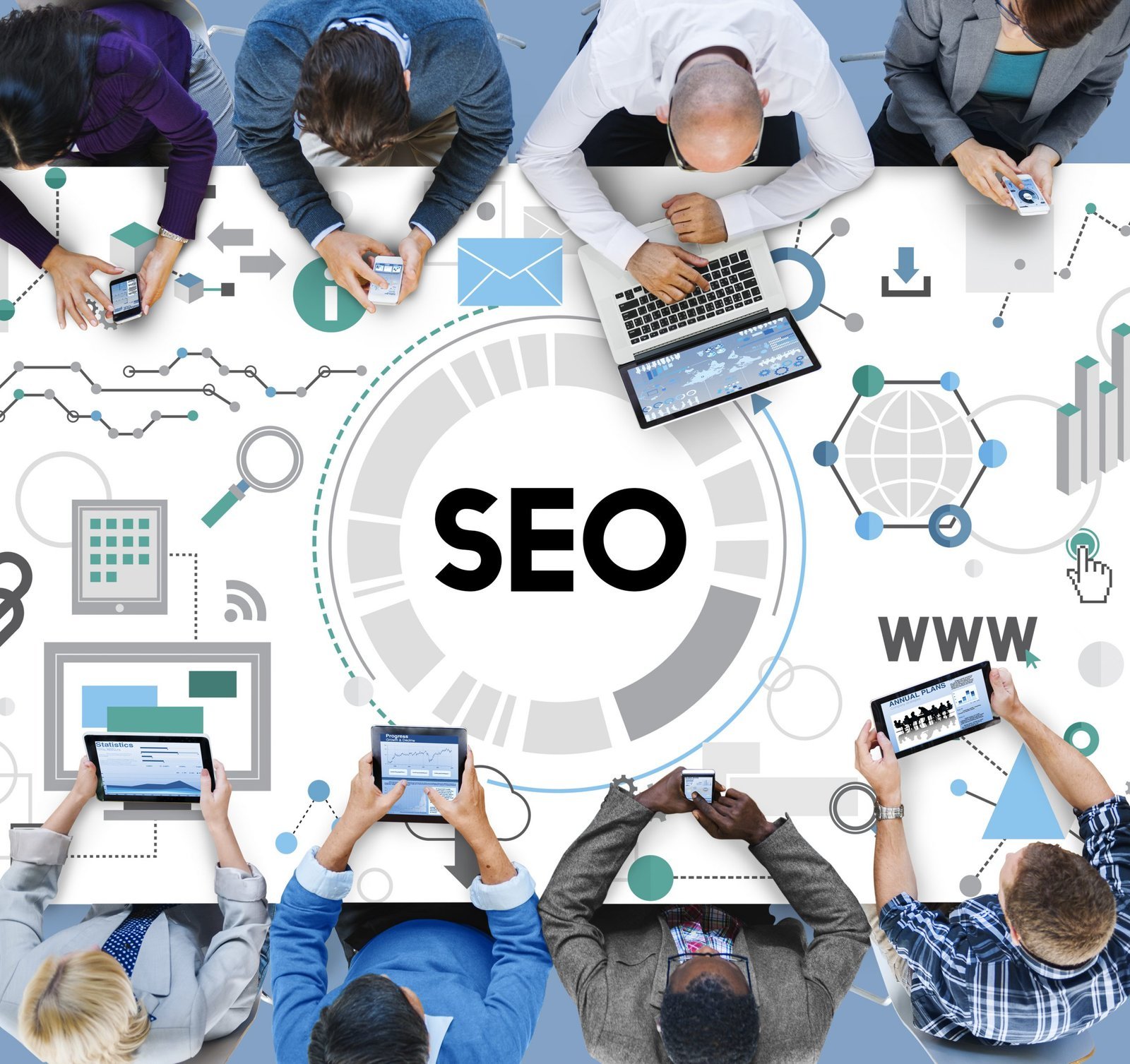
SEO Search Engine Optimization Internet Digital Concept

Introduction

Search Engine Optimization (SEO) plays a crucial role in digital marketing. In today’s competitive online landscape, businesses must establish a strong digital presence to attract and retain customers. According to a survey, over 90% of online experiences begin with a search engine, highlighting SEO’s importance in digital marketing. Therefore, in this article, we will explore how SEO contributes to digital marketing success and how a marketing agency can provide effective SEO services.

What is SEO?

SEO refers to optimizing a website to improve its ranking on search engine results pages (SERPs). Essentially, it involves enhancing website usability, increasing relevance for targeted keywords, and building credibility. Moreover, SEO encompasses both on-page and off-page strategies to boost website visibility.

On-page optimization focuses on refining website content, meta tags, header tags, images, and internal linking structures. Additionally, it involves improving website speed, mobile-friendliness, and architecture.

On the other hand, off-page optimization includes building backlinks, social media marketing, and other online promotional strategies to increase website authority. By implementing these techniques, businesses can improve their online presence and reach a broader audience.

The Role of SEO in Digital Marketing

Now, let’s take a closer look at the key roles SEO plays in digital marketing:

1. Enhancing Visibility and Improving Search Engine Ranking

First and foremost, the primary objective of SEO is to increase website visibility. A well-optimized website ranks higher on search engines, making it easier for potential customers to find. Since most users don’t go beyond the first page of search results, ranking higher can significantly boost traffic and brand awareness.

With effective SEO strategies, businesses can improve their online visibility, attract more organic traffic, and ultimately, generate more leads and sales.

2. Providing a Better User Experience

SEO is not just about search engines; it’s also about users. Websites that are optimized for search engines are typically user-friendly, easy to navigate, and accessible across all devices. As a result, a well-structured website enhances user experience, leading to increased engagement, longer time spent on the site, and higher conversion rates.

3. Offering a Cost-Effective Marketing Strategy

Unlike paid advertising, SEO provides a cost-effective way to attract website traffic. While paid campaigns require a continuous budget, SEO delivers long-term benefits at a lower cost. Additionally, with proper SEO implementation, businesses can achieve a higher return on investment (ROI) compared to other digital marketing strategies.

4. Driving Targeted Traffic to Your Website Through Digital Marketing

Another key benefit of SEO is its ability to drive highly targeted traffic. By optimizing for specific keywords related to products or services, businesses can attract visitors who are actively searching for what they offer. Consequently, this increases the likelihood of conversions and boosts overall sales.

For instance, a digital marketing agency in Bangalore can optimize its website for keywords like “SEO services in Bangalore” or “best digital marketing company in Bangalore” to attract potential clients in the region.

5. Building Credibility and Trust Using Digital Marketing

Search engines favor websites that provide relevant and high-quality content. Therefore, when a website ranks higher on search results, users perceive it as more credible and trustworthy. Additionally, obtaining backlinks from reputable sources further enhances a website’s authority, improving its reputation in the digital space.

6. Staying Ahead of Competitors

In today’s fast-paced digital world, businesses need to stay ahead of their competition. By analyzing competitors’ SEO strategies, businesses can identify gaps, optimize their content, and refine their marketing efforts. Furthermore, keeping up with the latest SEO trends and algorithm updates ensures businesses maintain a strong competitive edge.

7. Delivering Long-Term Results

Unlike paid ads, which provide immediate but short-term results, SEO is a long-term strategy that delivers sustainable growth. While it requires continuous effort and optimization, the long-term benefits of SEO far outweigh the initial investment. Over time, businesses can establish themselves as industry leaders and generate a steady flow of organic traffic.

8. Gaining In-Depth Audience Insights

SEO provides valuable data on customer behavior and search trends. By analyzing keyword performance, search queries, and website traffic patterns, businesses can gain insights into their target audience’s needs and preferences. As a result, these insights can help shape content strategies, product offerings, and marketing campaigns.

9. Enhancing Local SEO for Better Local Reach

For businesses targeting a local audience, Local SEO is essential. By optimizing for location-based keywords and leveraging Google My Business listings, businesses can improve their visibility among local customers. For example, a bakery in Bangalore can optimize its site for keywords like “best bakery in Bangalore” to attract local customers searching for baked goods.

10. Strengthening Brand Awareness Through Digital Marketing

Finally, SEO plays a vital role in brand building. A higher search engine ranking increases brand visibility, ensuring that more people become aware of the business. Additionally, a strong online presence combined with quality content and social media engagement contributes to a positive brand image.

SEO in Digital Marketing

In conclusion, SEO is a fundamental aspect of digital marketing. It enhances visibility, improves user experience, builds credibility, and drives targeted traffic. Moreover, it offers long-term benefits, making it a cost-effective marketing solution. By investing in SEO, businesses can ensure sustainable growth and establish themselves as industry leaders.

As a digital marketing agency in Bangalore, we specialize in SEO services, including keyword research, content optimization, technical SEO, and link-building strategies. Contact us today to discover how our expert SEO solutions can help your business grow online.

How to Choose the Right Digital Marketing Agency in Bangalore?

Digital marketing landing page, smartphone screen with megaphone or loudspeaker, data analysis charts and magnifying glass on futuristic neon glowing background. Cartoon vector illustration, banner

Digital marketing is an essential aspect of modern business. Having the right agency can make all the difference in your business growth. However, with so many companies in Bangalore, choosing the right one for your business can be overwhelming. This blog will provide a step-by-step guide to choosing the right digital marketing company in Bangalore.

1. Define Your Goals

The very first step in picking the right agency in Bangalore is to define your goals. Determine what you want to achieve through digital marketing, whether it’s increasing brand awareness, generating leads, improving search engine rankings, or increasing website traffic. Once you have set your goals, you can choose an agency that specializes in achieving those goals.

2. Determine Your Budget 

Before you start looking for an agency, you need to determine your budget. Digital marketing agencies in Bangalore offer various services at different price points. You need to choose an agency in Bangalore that can work within your budget and still deliver the desired results. Be realistic about your budget, and don’t hesitate to negotiate with the agency to get the best possible deal.

3. Research Digital Marketing Agencies

Once you have defined your goals and budget, it’s time to start researching digital marketing agencies in Bangalore. Use search engines like Google to find agencies in Bangalore. You can also ask for referrals from other businesses or industry professionals. Look for agencies with experience and expertise in your industry and a proven track record of delivering results.

4. Check Their Website

The website of a digital marketing agency is a reflection of its expertise and professionalism. Check the website of the agency to see if it’s user-friendly, visually appealing, and informative. A good agency in Bangalore will have a website optimized for search engines and showcase its services and expertise.

5. Check Their Portfolio

A digital marketing agency’s portfolio will give you a good idea of its capabilities and the type of work they have done in the past. Check their portfolio/past work to see if they have worked with businesses similar to yours and if they have delivered the desired results. A good agency will be proud to showcase its portfolio. It will have case studies and testimonials from satisfied clients.

6. Check Their Team

The success of an agency depends on the expertise and experience of its team. Check the team page of the agency to see their team members’ qualifications, experience, and expertise. A good agency in Bangalore will have a team of experts in different areas of digital marketing, including SEO, PPC, social media marketing, and content marketing.

7. Check Their Services

Digital marketing agencies in Bangalore offer various services, including SEO, PPC, social media, email, and content marketing. Check the services offered by the agency to see if they can provide the services you need to achieve your goals. A good agency in Bangalore will customize its services to meet the unique needs of your business. 

8. Check Their Communication

Communication is very crucial to the success of any business relationship. Check the communication process of the agency to see if they are responsive, transparent, and easy to communicate with. A good agency will provide regular updates on the progress of your campaigns. It will be available to answer your queries and concerns.

9. Check Their Reporting

Digital marketing agencies in Bangalore provide regular reports on the performance of your campaigns. Check the reporting process of the digital marketing agency to see if they provide detailed and easy-to-understand reports. A good agency will provide you with regular reports on the performance of your campaigns. It will explain the results so you can understand

10. Check Their Industry Knowledge

Digital marketing is an ever-evolving field, and the digital marketing agency you choose must have up-to-date knowledge about the latest trends and best practices in the industry. Check if the agency participates in industry events, webinars, and conferences and if they have a blog or resource center where they share their expertise.

11. Schedule a Consultation

After you have shortlisted a few agencies in Bangalore, schedule a consultation with them. During the consultation, discuss your goals, budget, and expectations. It provides you with a tailored plan that addresses your needs and goals.

12. Ask for References

Ask the digital marketing agency to provide references from their previous clients. Contact these clients and ask about their experience working with the agency. Were they satisfied with the results? Was the agency easy to work with? Did they communicate regularly? The answers to these questions will give you a good idea of the agency’s reliability and professionalism.

13. Finalize the Contract

Once you have chosen the right digital marketing agency for your business, it’s time to finalize the contract. The contract should include the scope of work, timelines, deliverables, payment terms, and other important details. Read the contract carefully and ask for clarifications if needed. Make sure both parties agree to the terms before signing the contract.

Conclusion:

Picking the best digital marketing agency in Bangalore is a challenging task, but by following these steps, you can make an informed decision. Define your goals, determine your budget, research digital marketing agencies, check their website, portfolio, team, services, communication, reporting, and industry knowledge, schedule a consultation, ask for references, and finalize the contract. A good company in Bangalore can help your business grow and achieve your goals, so choose wisely.


5 Secrets of Successful Digital Marketing Campaigns for Your Business

Digital marketing banner

5 Secrets to a Successful Digital Marketing Campaign for Your Business

As the world becomes more digitally oriented, businesses must keep up with the changing times and adopt digital marketing strategies in order to reach their target audience. However, creating a successful digital marketing campaign isn’t just about throwing money at Facebook ads and hoping for the best. It takes careful planning, execution, and analysis to ensure effective campaigns.

Being a leading digital marketing company in Bangalore, we’ve worked with countless businesses to create successful digital marketing campaigns. In this article, we’ll share our top 5 secrets to help you achieve success with your digital marketing efforts.

1. Define Your Target Audience

The very first step in any successful digital marketing campaign is to define your right target audience. Who are you trying to reach? What are their pain points? What are their interests and behaviors?

Defining your target audience lets you create more targeted and personalized marketing messages that resonate with your audience. It also helps you choose the right digital channels to reach your audience. For example, if you’re targeting millennials, Instagram and TikTok may be more effective than LinkedIn.

To define your target audience, conduct market research, analyze your customer data, and use tools like Google Analytics and Facebook Audience Insights. Once you have a clear picture of your target audience, you can create customer personas to guide your marketing efforts.

2. Develop a Strong Value Proposition

Your value proposition sets you apart from your competitors and convinces your target audience to choose your products or services. It should be clear, concise, and compelling.

To develop a strong value proposition, focus on the benefits your products or services offer your target audience. What problems do you solve? Which pain points do you alleviate? What makes you unique?

Your value proposition should be displayed on your website and all marketing materials. It should also be integrated into your messaging across all digital channels.

3. Create Compelling Content

Content is at the heart of any successful digital marketing campaign. It’s what attracts, engages, and converts your target audience.

To create compelling content, start by understanding your target audience’s interests and pain points. What questions do they have? Which problems are they trying to solve? What type of content do they consume?

Use this information to create content that provides value to your target audience. This could include blog posts, social media posts, videos, infographics, podcasts, and more.

When creating content, make sure it’s visually appealing, easy to consume, and optimized for search engines. Use keywords strategically and include calls to action to encourage your audience to take action.

4. Leverage Social Media

Social media is a powerful digital marketing tool that allows you to reach and engage with your target audience personally. However, not all social media platforms are created equal.

To effectively leverage social media, choose the platforms your target audience uses most frequently. This could include Facebook, Instagram, LinkedIn, Twitter, TikTok, and more.

Once you’ve chosen your social media platforms, create a content calendar and post regularly to stay top-of-mind with your audience. Use a mix of promotional and educational content, and engage with your audience by responding to comments and messages.

You can also use social media advertising to reach a wider audience and drive conversions. Use targeting options to reach your ideal customer and create compelling ads encouraging them to take action.

5. Measure and Analyze the Results

The final secret to a successful digital marketing campaign is to measure and analyze your results. This allows you to see what’s working and what’s not and make data-driven decisions to optimize your campaigns for better results.

Use tools like Google Analytics and social media analytics to track key metrics like website traffic, engagement, and conversions. Use A/B testing to test different variations of your campaigns and see what resonates best with your target audience.

Based on your analysis, make adjustments to your campaigns to optimize performance. This could include tweaking messaging, adjusting targeting, or changing the timing or frequency of your posts.

Regularly reviewing and analyzing your results allows you to make informed decisions about your digital marketing strategy and ensures you’re getting the most bang for your buck.

Bonus Secret: Focus on Customer Retention

While acquiring new customers is important, retaining your existing customers is equally important. Not only are repeat customers more profitable than new customers, but they’re also more likely to refer others to your business.

To focus on customer retention, use email marketing to keep touch with your existing customers and provide them with exclusive offers and discounts. Use personalized messaging and make them feel valued.

You can also use social media to engage with your customers and provide them with exceptional customer service. Respond to their inquiries and feedback promptly and address any concerns they have.

 By focusing on customer retention, you’ll create loyal customers who will continue to do business with you and recommend your business to others, ultimately contributing to the success of your digital marketing campaigns.

Conclusion

Creating a successful digital marketing campaign takes time, a lot of effort, and a deep understanding of your target audience. By following these five secrets, you can create campaigns that attract, engage, and convert your ideal customer.

Remember to rightly define your target audience, develop a strong value proposition, create compelling content, leverage social media, and measure and analyze your results. With a little bit of planning and execution, you can achieve digital marketing success and take your business to the next level.

If you need help creating successful digital marketing campaigns for your business, contact our digital marketing agency Bangalore today. We have the expertise, know-how and experience to help you achieve your goals and grow your business through effective digital marketing.


5 Secrets of Successful Digital Marketing Campaigns for Your Business

As the world becomes more digitally oriented, businesses must keep up with the changing times and adopt digital marketing strategies in order to reach their target audience. However, creating a successful digital marketing campaign isn’t just about throwing money at Facebook ads and hoping for the best. It takes careful planning, execution, and analysis to ensure effective campaigns.

As a leading digital marketing company in Bangalore, we’ve worked with countless businesses to create successful digital marketing campaigns. In this article, we’ll share our top 5 secrets to help you achieve success with your digital marketing efforts.

1. Define Your Target Audience

The very first step in any successful digital marketing campaign is to define your right target audience. Who are you trying to reach? What are their pain points? What are their interests and behaviors?

Defining your target audience lets you create more targeted and personalized marketing messages that resonate with your audience. It also helps you choose the right digital channels to reach your audience. For example, if you’re targeting millennials, Instagram and TikTok may be more effective than LinkedIn.

To define your target audience, conduct market research, analyze your customer data, and use tools like Google Analytics and Facebook Audience Insights. Once you have a clear picture of your target audience, you can create customer personas to guide your marketing efforts.

2. Develop a Strong Value Proposition

Your value proposition sets you apart from your competitors and convinces your target audience to choose your products or services. It should be clear, concise, and compelling.

To develop a strong value proposition, focus on the benefits your products or services offer your target audience. What problems do you solve? What pain points do you alleviate? What makes you unique?

Your value proposition should be displayed on your website and all marketing materials. It should also be integrated into your messaging across all digital channels.

3. Create Compelling Content

Content is at the heart of any successful digital marketing campaign. It’s what attracts, engages, and converts your target audience.

To create compelling content, start by understanding your target audience’s interests and pain points. What questions do they have? What problems are they trying to solve? What type of content do they consume?

Use this information to create content that provides value to your target audience. This could include blog posts, social media posts, videos, infographics, podcasts, and more. For campaigns that already have strong product photos or branded visuals, businesses can also turn images into videos by adding motion and creating engaging video content from existing assets.

4. Leverage Social Media

Social media is a powerful digital marketing tool that allows you to reach and engage with your target audience personally. However, not all social media platforms are created equal.

To effectively leverage social media, choose the platforms your target audience uses most frequently. This could include Facebook, Instagram, LinkedIn, Twitter, TikTok, and more.

Once you’ve chosen your social media platforms, create a content calendar and post regularly to stay top-of-mind with your audience. Use a mix of promotional and educational content, and engage with your audience by responding to comments and messages.

You can also use social media advertising to reach a wider audience and drive conversions. Use targeting options to reach your ideal customer and create compelling ads encouraging them to take action.

5. Measure and Analyze the Results

The final secret to a successful digital marketing campaign is to measure and analyze your results. This allows you to see what’s working and what’s not and make data-driven decisions to optimize your campaigns for better results.

Use tools like Google Analytics and social media analytics to track key metrics like website traffic, engagement, and conversions. Use A/B testing to test different variations of your campaigns and see what resonates best with your target audience.

Based on your analysis, make adjustments to your campaigns to optimize performance. This could include tweaking messaging, adjusting targeting, or changing the timing or frequency of your posts.

Regularly reviewing and analyzing your results allows you to make informed decisions about your digital marketing strategy and ensures you’re getting the most bang for your buck.

Bonus Secret: Focus on Customer Retention

While acquiring new customers is important, retaining your existing customers is equally important. Not only are repeat customers more profitable than new customers, but they’re also more likely to refer others to your business.

To focus on customer retention, use email marketing to keep touch with your existing customers and provide them with exclusive offers and discounts. Use personalized messaging and make them feel valued.

You can also use social media to engage with your customers and provide them with exceptional customer service. Respond to their inquiries and feedback promptly and address any concerns they have.

By focusing on customer retention, you’ll create loyal customers who will continue to do business with you and recommend your business to others, ultimately contributing to the success of your digital marketing campaigns.

Conclusion

Creating a successful digital marketing campaign takes time, a lot of effort, and a deep understanding of your target audience. By following these five secrets, you can create campaigns that attract, engage, and convert your ideal customer.

Remember to rightly define your target audience, develop a strong value proposition, create compelling content, leverage social media, and measure and analyze your results. With a little bit of planning and execution, you can achieve digital marketing success and take your business to the next level.

If you need help creating successful digital marketing campaigns for your business, contact our digital marketing agency Bangalore today. We have the expertise, know-how and experience to help you achieve your goals and grow your business through effective digital marketing.


10 Reasons Why Digital Marketing is Important for Your Business

In today’s digital fast-paced and constantly changing business world, digital marketing has become essential for any business looking to grow and succeed. With a lot of consumers turning to the internet to find products and services, businesses need to establish a strong online presence to attract and retain customers. In this article, we will explore 10 reasons why digital marketing is crucial for your business and how it empowers you achieve your business goals.

1. Cost-Effective

One of the key advantages of digital marketing is its cost-effectiveness. Traditional marketing methods like print, radio, and television advertising can be very expensive, making it difficult for small and medium-sized businesses to compete with larger companies. Digital marketing, can be done at a fraction of the cost, making it accessible to businesses of all sizes. For example, a digital marketing company in Bangalore lets you devise and implement a social media marketing strategy that can reach a large audience at a relatively low cost.

2. Targeted Advertising

Digital marketing lets businesses to target their advertising to specific demographics, interests, and behaviors. This means that businesses can reach the right audience with the right message, increasing the likelihood of conversions and sales. For example, a digital marketing agency Bangalore can help you create a Google Ads campaign targeting users searching for products or services similar to yours.

3. Measurable Results

One of the most amazing advantages of digital marketing is its ability to provide measurable results. Unlike traditional marketing methods, which are often difficult to track and measure, digital marketing allows businesses to track the effectiveness and uniqueness of their campaigns in real time. This means businesses can adjust their strategies based on data and analytics, optimizing their campaigns for maximum ROI. For example, a digital marketing agency can help you track the performance of your email marketing campaigns, allowing you to see how many people are opening your emails, clicking through to your website, and making purchases.

4. Increased Brand 

Awareness Digital marketing can help businesses increase their brand awareness by reaching a very wide audience and creating engaging content that resonates with their target market. By establishing a strong online presence through social media and other digital channels, businesses can increase their visibility and credibility in their industry. For example, a digital marketing agency Bangalore can lets you create a content marketing strategy that showcases your expertise and thought leadership, helping to establish your brand as a industry leader.

5. Better Customer Engagement

Digital marketing lets businesses to engage with their customers more meaningfully, creating a two-way conversation that fosters trust and loyalty. By using social media, email marketing, and other digital channels, businesses can listen to their customers’ feedback, respond to their inquiries, and address their concerns in real time. This creates a positive customer experience that increases retention and advocacy. For example, a digital marketing company in Bangalore can help you create a social media strategy that encourages customer engagement and feedback, helping to build a loyal following.

6. Competitive Edge

Digital marketing can give businesses a competitive edge by helping them stay ahead of the curve and adapt to changing market trends. By staying up-to-date with the latest digital marketing techniques and technologies, businesses can improve their marketing efforts and stay ahead of their competitors. For example, a digital marketing agency in Bangalore can let you stay ahead of your competitors by implementing a search engine optimization (SEO) strategy that improves your website’s search engine rankings and increases your visibility online.

7. Increased Conversion Rates

Digital marketing can help businesses increase their conversion rates by creating targeted, personalized campaigns that resonate with their audience. By understanding the pain points and motivations of their target market, businesses can create messaging and offer tailored to their specific needs, increasing the likelihood of conversions and sales. For example, a digital marketing agency can help you create a landing page optimized for conversions with a clear call-to-action and compelling offer.

8. Flexibility and Agility

Digital marketing allows businesses to be more flexible and agile in their marketing efforts, quickly adapting to changing market conditions and customer needs. With the ability to make real-time adjustments to campaigns based on data and analytics, businesses can optimize their strategies for maximum ROI. For example, a digital marketing agency in Bangalore can help you adjust your PPC campaigns based on keyword performance and audience targeting, allowing you to maximize your advertising spend.

9. Increased Customer Lifetime Value

Digital marketing can help businesses increase their customer lifetime value by fostering long-term relationships with their customers. By creating personalized and engaging content that speaks to their customers’ needs and interests, businesses can build trust and loyalty, leading to increased repeat purchases and referrals. For example, a digital marketing company in Bangalore can help you form a content marketing strategy that provides value to your customers, such as educational articles, how-to guides, and product reviews.

10. Global Reach

Digital marketing allows businesses to reach a global audience, regardless of their physical location. By leveraging the power of digital channels, businesses can expand their reach to a whole new level and tap into new markets worldwide. For example, a digital marketing agency Bangalore can help you create a global SEO strategy that targets keywords and phrases in multiple languages, allowing you to reach customers in different countries and regions.

Conclusion 

Overall, digital marketing is a crucial component of any business looking to grow, excel and succeed in today’s digital age. With its cost-effectiveness, targeted advertising, measurable results, and ability to increase brand awareness, customer engagement, and conversions, digital marketing can help businesses achieve their goals and stay ahead of the competition. Whether you’re just started startup or a large enterprise, partnering with a digital marketing company in Bangalore or a digital marketing agency Bangalore can help you develop and implement a successful digital marketing strategy that delivers results.